
A New Way Of Working >
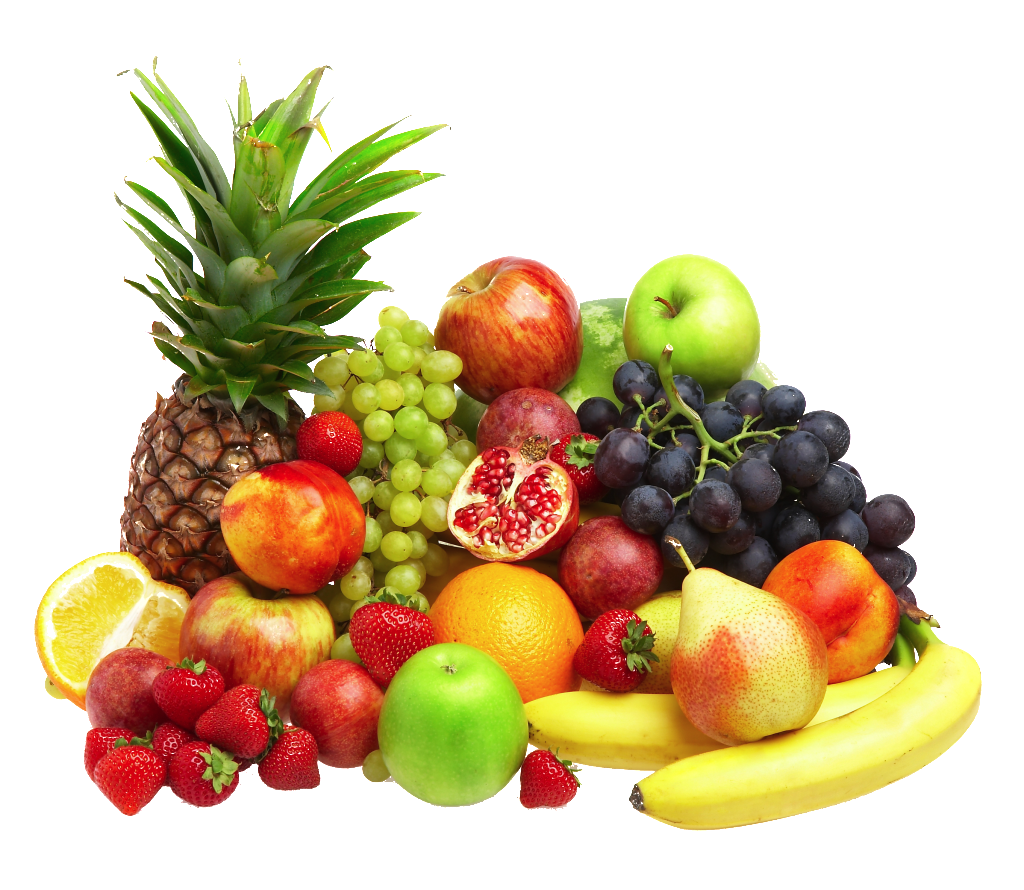
Nsunga Ya Kongo is committed to advancing agriculture in RDC through innovation, sustainability, and community engagement. The organization recognizes agriculture’s crucial role in community sustenance and economic growth, focusing on harnessing modern technology and farming practices to boost productivity while maintaining biodiversity.
Our activities span various agricultural domains, including crop cultivation, livestock management, and agroforestry. Nsunga Ya Kongo emphasizes environmental stewardship and ethical farming methods. The organization functions as a collaborative hub, working with local communities, researchers, and industry experts to exchange knowledge and promote entrepreneurship among farmers.
Nsunga Ya Kongo is dedicated to quality, integrity, and social responsibility, aiming to lead the future of agriculture in RDC and beyond.
Opportunities >
Farmers
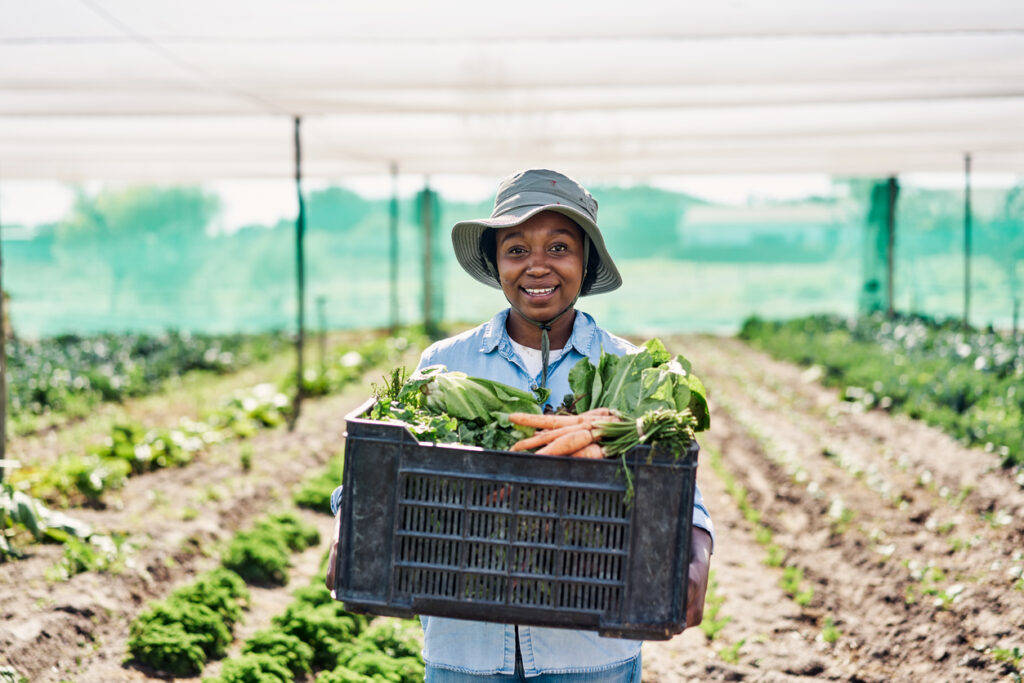
Farmers have a variety of opportunities available to them, depending on their location, resources, and interests. Here are some potential opportunities for farmers:
- Diversification: Farmers can diversify their operations by growing multiple crops or raising different types of livestock. Diversification can help spread risk and increase resilience to market fluctuations.
- Direct Sales: Selling directly to consumers through farmers’ markets, farm stands, or community-supported agriculture (CSA) programs can provide higher profit margins and opportunities for building relationships with customers.
- Value-Added Products: Processing agricultural products into value-added goods such as jams, jellies, cheeses, or specialty meats can increase profitability and appeal to niche markets.
- Organic and Specialty Production: Meeting the demand for organic or specialty crops such as heirloom varieties, ethnic vegetables, or gourmet herbs can command premium prices and tap into growing consumer preferences.
- Agri-Tourism: Opening the farm to visitors for activities such as tours, u-pick operations, farm stays, or educational workshops can generate additional income and promote awareness of agriculture.
- Agricultural Technology: Embracing technology such as precision agriculture, drones, or sensor-based monitoring systems can improve efficiency, reduce input costs, and optimize yields.
- Environmental Stewardship Programs: Participating in conservation programs or sustainable farming practices can not only benefit the environment but also provide access to grants, subsidies, or certification programs.
These are just a few examples, and the specific opportunities available to farmers will vary depending on factors such as location, market demand, regulatory environment, and individual preferences and resources.
Transformer
Processors play a crucial role in the agricultural supply chain, transforming raw agricultural products into value-added goods for consumers. Here are some benefits for processors in agriculture:
- Value Addition: Processors add value to raw agricultural products by converting them into marketable goods such as packaged foods, beverages, textiles, or biofuels. Value addition can result in higher profit margins compared to selling raw commodities.
- Market Access: Processors often have access to broader markets than primary producers, as they can distribute their processed products regionally, nationally, or even internationally. This allows them to tap into diverse consumer demographics and market segments.
- Product Diversification: Processors can create a wide range of products from agricultural raw materials, catering to various consumer preferences and market trends. Diversification can help spread risk and capture opportunities in different market segments.
- Brand Building: Processors can establish and promote their brands, building consumer trust and loyalty through consistent quality, packaging, and marketing strategies. Strong brands can command premium prices and create barriers to entry for competitors.
Overall, processors play a vital role in the agricultural value chain, driving economic growth, innovation, and market development while creating value for both producers and consumers.

Distributors
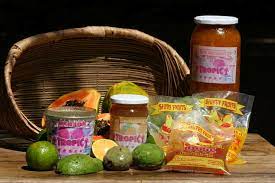
Distributors play a crucial role in the agricultural supply chain, connecting producers with consumers or end-users by efficiently managing the flow of goods. Here are some benefits for distributors in agriculture:
- Market Access: Distributors have access to a wide network of buyers, including retailers, wholesalers, food service providers, and industrial customers. This network allows them to reach diverse markets and cater to various customer segments.
- Efficient Logistics: Distributors specialize in managing transportation, warehousing, and inventory management, optimizing the movement of agricultural products from producers to consumers. Efficient logistics reduce lead times, minimize storage costs, and ensure timely delivery to customers.
- Risk Mitigation: Distributors help mitigate risks for both producers and buyers by providing a buffer against market fluctuations, supply chain disruptions, or seasonal variability in production. Distributors can maintain adequate inventory levels to meet demand fluctuations and smooth out supply imbalances.
- Market Intelligence: Distributors gather market intelligence on consumer preferences, trends, and demand patterns, providing valuable insights to producers for product development, marketing strategies, and pricing decisions. Market intelligence helps align production with market demand, reducing the risk of oversupply or undersupply.
Overall, distributors play a vital role in the agricultural value chain, facilitating the efficient movement of products from farm to fork while providing value-added services, market insights, and risk management capabilities to producers and customers alike.
Sustainability Charter >
Statement of Intent
As part of the promotion of local products from the Democratic Republic of Congo (DRC) and the improvement of value chains through short supply circuits, the Nsunga ya Kongo label is committed to adopting a sustainable, inclusive, and innovative approach.
Key Objectives
- Enhancing Local Products
- Showcase the richness and diversity of products from Congolese lands, whether agricultural, artisanal, or manufactured.
- Support local producers in improving the quality and competitiveness of their products.
- Strengthening Value Chains
- Collaborate with key stakeholders (farmers, artisans, processors, distributors) to build production and processing capacities.
- Promote eco-friendly practices at every stage of the chain, from production to consumption
- Promoting Short Supply Circuits
- Encourage local consumption by fostering direct links between producers and consumers.
- Reduce intermediaries to maximize local economic benefits and minimize the carbon footprint.
- Networking and Cooperation
- Create platforms for exchange and collaboration between producers, entrepreneurs, institutions, and consumers.
- Promote public-private partnerships and community initiatives for sustainable economic growth.
Commitments of the Nsunga ya Kongo Label
- Environmental Sustainability: Promote environmentally friendly production methods by reducing chemical usage and encouraging organic farming.
- Social Equity: Ensure decent working conditions and fair compensation for local producers and artisans.
- Quality and Traceability: Maintain high quality standards for labeled products and ensure their traceability.
- Innovation: Invest in modern technologies and methods to boost the competitiveness of local products.
Vision for the Future
The Nsunga ya Kongo label aims to become a catalyst for economic and social transformation in the DRC by making local products competitive in both national and international markets. This vision is built on a synergy between tradition and modernity, while placing sustainable development and community empowerment at the core of its actions.
“Together, let’s cultivate our country.”
Best Practices for Sustainability >
I. BEST PRACTICES IN ECONOMIC SUSTAINABILITY
- Support for local producers and economic transparency
- Promote short circuits : Encourage partnerships with local farmers and producers to reduce logistics costs and support the local economy.
- Encourage fair contracts : Establish fair economic agreements to compensate producers at a price that reflects the true cost of their sustainable practices.
- Financial transparency : Publish financial reports to ensure clarity on the costs and benefits of natural and environmentally friendly production.
- Value for money and economic efficiency
- Reduction of costly inputs : Encourage agricultural practices that reduce reliance on synthetic inputs (fertilizers, pesticides) while maintaining high yields.
- Effective soil management : Promote crop rotation, agroforestry and other techniques that preserve soil fertility in the long term, thereby reducing the costs associated with land degradation.
- Diversification of economic activities
- Co-product recovery : Transforming agricultural by-products into marketable products (compost, animal feed, biogas) to maximize profitability.
- Creation of complementary sectors : Develop ancillary activities, such as agrotourism or educational workshops on sustainable agriculture, to diversify sources of income.
- Stakeholder education and awareness
- Producer training : Provide training to adopt innovative and economically viable agricultural practices using natural and environmentally friendly farming methods.
- Consumer awareness : Highlight the economic and environmental benefits of 100% local products to encourage their consumption, creating stable demand.
- Certification and promotion of natural and environmentally friendly products
- Implementation of the “Nsunga ya Kongo” (NK) label : Create the label certifying compliance with natural and environmentally friendly principles, guaranteeing consumers the traceability and quality of products.
- Justification of an added value : Communicate on the economic added value (premium products, better quality, sustainability) to justify potentially higher prices.
- Resilience to economic crises
- Public-Private Partnerships : Collaborating with public institutions and organizations to secure financing in the event of crises.
- Support fund : Create savings or group insurance mechanisms to support producers in the face of economic or climatic hazards.
II. GOOD PRACTICES IN SOCIAL SUSTAINABILITY
- Support for agricultural and local communities
- Strengthening farmers’ autonomy : Encouraging practices that promote farmers’ independence from multinationals (e.g. use of non-patented local seeds).
- Collaboration with local communities : Involve people in decision-making processes related to agricultural practices and land management.
- Local investment : Reinvest a portion of the profits to develop local infrastructure (schools, clinics, roads).
- Fair working conditions
- Respect for workers’ rights : Ensure basic rights, including clear employment contracts, leave, and freedom from forced or child labour.
- Fair remuneration : Ensuring decent wages for producers and employees involved in the chain of natural and environmentally friendly products.
- Occupational health and safety : Train farmers on safe practices and reduce the use of hazardous products (even in organic farming).
- Equality and social inclusion
- Access for all : Promote the participation of women, youth and minorities in the production and agricultural management of natural products.
- Education and empowerment : Provide accessible training for all social groups on sustainable agricultural practices and resource management.
- Addressing marginalization : Supporting vulnerable or marginalized farmers to integrate into natural and environmentally friendly supply chains.
- Promotion of health and well-being
- Consumer protection : Ensuring natural products that are unmodified, safe, traceable, and clearly labeled to enable informed choices.
- Improving the quality of life of rural communities : Promoting access to healthy food and stable livelihoods.
- Raising awareness of the social impact of food choices : Educating consumers about the social and environmental benefits of natural and environmentally friendly products.
- Support for the development of the younger generations
- Knowledge Transfer : Integrate educational programs to teach young farmers about sustainable and natural techniques.
- Creation of economic opportunities : Supporting entrepreneurial initiatives of young people in rural areas to curb the rural exodus.
- Promotion of agroecology : Encouraging sustainable agricultural practices that preserve resources for future generations.
- Strengthening social cohesion
- Enhancement of cooperatives: Encourage the creation and development of agricultural cooperatives to strengthen solidarity between producers.
- Profit sharing : Ensuring a fair distribution of the profits generated by the sale of local natural products.
- Participatory dialogue : Establish mechanisms for local stakeholders (producers, consumers, NGOs) to actively participate in policy-making.
- Preservation of cultural and social rights
- Respect for local traditions : Support production systems that value the cultures, practices and traditional knowledge of local communities.
- Protection of indigenous seeds : Preserve and promote the use of local seeds adapted to regional environments.
- Recognition of social practices : Valuing social relations and traditional community structures in the context of local and natural production.
III. GOOD PRACTICES IN ENVIRONMENTAL SUSTAINABILITY
- Regenerative agriculture and soil friendliness
- Favor agricultural practices that promote soil health (crop rotation, cover crops, agroforestry).
- Reduce the use of chemical inputs (pesticides and fertilizers) in favor of natural alternatives.
- Promote local and resilient varieties, adapted to local ecosystems.
- Preservation of biodiversity
- Promote the diversification of crops and livestock to reduce dependence on intensive monoculture.
- Encourage the conservation of traditional seeds and their use on farms.
- Create or protect natural habitats to support local flora and fauna.
- Reduction of chemical inputs
- Implement natural methods of pest control (biological control, rotations, repellent plants).
- Avoid herbicides associated with GMO crops.
- Train farmers in agroecological and autonomous solutions.
- Ensure traceability and transparency
- Establish a transparent monitoring system to ensure naturalness throughout the production chain.
- Collaborate with recognized certifications (e.g. Bio, Non-GMO Project, etc.).
- Educate consumers about the impact of natural products through clear labeling and educational campaigns.
- Reduced carbon footprint and resources
- Optimize the use of natural resources, such as water (drip irrigation, rainwater harvesting).
- Reduce greenhouse gas emissions by promoting short circuits and sustainable modes of transport.
- Limit agricultural and food waste by recovering by-products (composting, bioenergy).
- Support to local communities and education
- Train and support farmers on sustainable practices without the use of GMOs.
- Support small local farms to reduce dependence on large seed companies.
- Raise awareness among consumers and stakeholders about the importance of natural farming.
- Protection of water and natural resources
- Implement measures to protect watersheds from contamination by chemicals or streams of neighbouring GMO crops.
- Promote the use of water retention and conservation methods.
- Commitment to research and innovation
- Invest in innovative solutions based on plant biology and traditional practices to improve natural yields.
- Support research in agroecology to overcome climate and food challenges.
- Compliance with regulatory frameworks
- Comply with national and international laws prohibiting or regulating the use of GMOs.
- Follow the standards of the target markets to ensure access to natural certifications.
IV. GOOD GOVERNANCE PRACTICES
- Establish a clear governance structure
- Steering Committee: Establish a committee composed of representatives of key stakeholders (producers, processors, distributors, consumers, and independent experts).
- Roles and responsibilities: Clearly define the responsibilities of each actor involved in the implementation of the charter.
- Independence: Include third-party bodies to ensure neutrality, including for audits and certification.
- Adopt transparent criteria and commitments
- Clear objectives: Define the objectives of the charter (e.g.: guarantee natural and environmentally friendly products, preserve biodiversity, and promote sustainable agriculture).
- Specific standards: Establish clear requirements for value chain actors, such as bans on genetically modified inputs and verification protocols.
- Accessibility: Communicate the charter and its requirements to stakeholders and the public.
- Establish monitoring and evaluation mechanisms
- Regular audits: Carry out independent checks to verify compliance with practices.
- Traceability: Developing robust systems to ensure the traceability of products throughout the supply chain.
- Performance indicators: Monitor clear indicators (e.g., percentage of cultivated areas of natural products, certification of farms).
- Foster collaboration and inclusion
- Stakeholder engagement: Include farmers, businesses, consumer associations and researchers in the development and improvement of the charter.
- Awareness-raising: Inform and train stakeholders on the benefits of sustainable practices that respect natural crops.
- Incentives: Establish support or financing mechanisms for actors adopting these practices.
- Ensure transparency and communication
- Public Reporting: Publish regular reports on progress and challenges.
- Visible label: Use a “terroir and 100% natural” label to guarantee recognition by consumers.
- Ongoing dialogue: Maintain ongoing exchanges with stakeholders to build trust and adapt practices.
- Encourage continuous improvement
- Periodic Assessments: Update the charter to reflect new scientific, technological or regulatory developments.
- Sharing of good practices: Disseminate success stories to signatories to encourage them to improve their performance.
- Innovation: Support research initiatives to promote sustainable alternatives to GMO crops.
ANNEX II: SUSTAINABILITY SELF-ASSESSMENT SYSTEM
I. OBJECTIVES OF THE SYSTEM
- Assessing sustainability: Measuring the environmental, social and economic impact of agricultural or industrial practices.
- Guarantee transparency: Allow stakeholders (consumers, partners, regulators) to verify that 100% natural commitments are met.
- Encourage continuous improvement: Identify areas for improvement to move towards increased sustainability.
II. CRITERES D’EVALUATION
The system should include indicators that measure performance according to the following dimensions:
- Environmental
- Absence of GMOs in production (raw materials, animal feed, etc.)
- Impact of alternative crops on biodiversity.
- Soil management and pollution control (pesticides, fertilizers, etc.)
- Reduction of greenhouse gas emissions and carbon footprint.
- Social
- Protection of farmers’ and workers’ rights.
- Transparency of information for consumers.
- Promotion of local and traditional agricultural practices.
- Economic
- Economic viability of natural practices.
- Contribution to the development of short circuits and fair trade sectors.
III. METHODOLOGIE D’AUTO-EVALUATION
- Structured questionnaire: A list of questions and indicators to be completed periodically (e.g. annually).
- Examples:
- “Do you use certified local and natural seeds?”
- “What are your actions to protect biodiversity?”
- Scoring grid: Each criterion is weighted to assign an overall score.
- Automated Reports: Generate detailed analytics and recommendations based on responses.
IV. TOOLS AND SUPPORTS
- Digital platform: An app or website to capture data, visualize results, and track progress.
- Training and documentation: Provide user guides for stakeholders.
- Third-party audits: While this is a self-assessment, external audits can be incorporated to build credibility.
V. FINDINGS AND RECOMMENDATIONS
- Sustainable Classification: Assign durability levels (e.g. Bronze, Silver, Gold) according to the score obtained.
- Improvement plan: Propose concrete actions to improve sustainable performance.
- Labels or certifications: Recognize efforts through official distinctions (e.g. Nsunga Ya Kongo Label)
VI. TRACKING AND UPDATING
- Updated criteria: Adapt indicators based on scientific advances or regulations.
- User feedback: Allow stakeholders to point out issues or suggestions.
What Clients Say
In any case, I congratulate the Nsunga ya Kongo platform for their good collaboration with them as a Congolese distributor, you are the first in Kinshasa to be honest and punctual for the regularity of invoices and transparency.
Nsunga ya Kongo, you are the best in Kinshasa.

Mrs. Patricia Nzongoma
Manager of the Adaka Épices brand for the company ADAKA -AGROBUSINESS SARLU
My partnership with Nsunga ya Kongo is an extreme satisfaction.
I discovered in Nsunga ya Kongo a simple but effective organization.
The availability of its hierarchy towards its members and several commendable initiatives that facilitate integration into the training, production, exhibition and distribution networks.
Stay the Course and Long Live
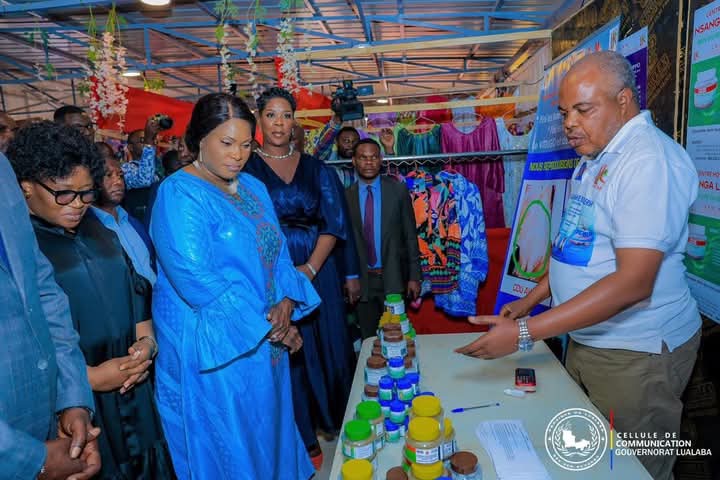
BIDIMU KABUYA
My greetings to all!
I am Mrs. Rachel BAKAMBANA, entrepreneur CEO of ETS JOJA who works in agri-food processing, such as natural juice production activities.
I am a member and partner of the Asbl Nsunga ya Kongo.
Regarding one of the objectives of Nsunga ya Kongo which consists of promoting our local products, I would say that I am among those who benefit from this promotion because before I did not really have where and how to sell my products in large quantities but thanks to NK today the people's plate is part of my points of sale and for that I say thank you to this great lady the President of this Asbl Mrs. Yolande LONGO for her determination to make our products known on an international scale.

Mrs. Rachel BAKAMBANA
Entrepreneur CEO of ETS JOJA