-
-
-
-
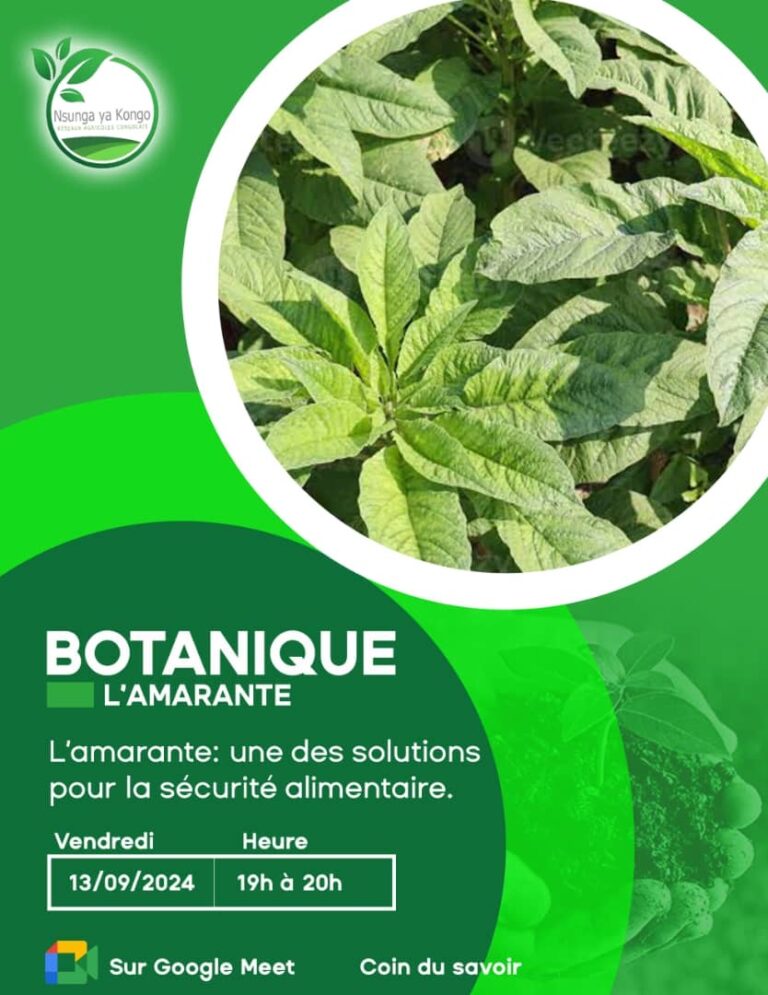
Colloque
👇🏾 🚨 *Register now for the Conference on December 16–17!* *Seats are limited!* 👉 *Registration link:* *https://forms.gle/ZXEv4Q83KCsN4T5u7* Once registered, the organizing team will send you an email invitation along with an access code to join the venue on the conference days. Don’t miss this opportunity! https://docs.google.com/forms/d/e/1FAIpQLSfUSDSLB0r-2BxkcZyAk_fPkXw18Y845Xk24LG34xaxhvjJRw/viewform
-
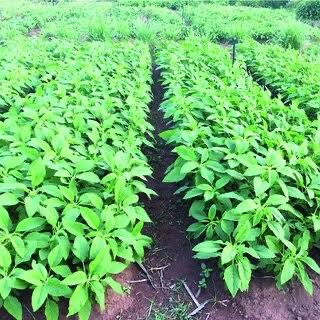
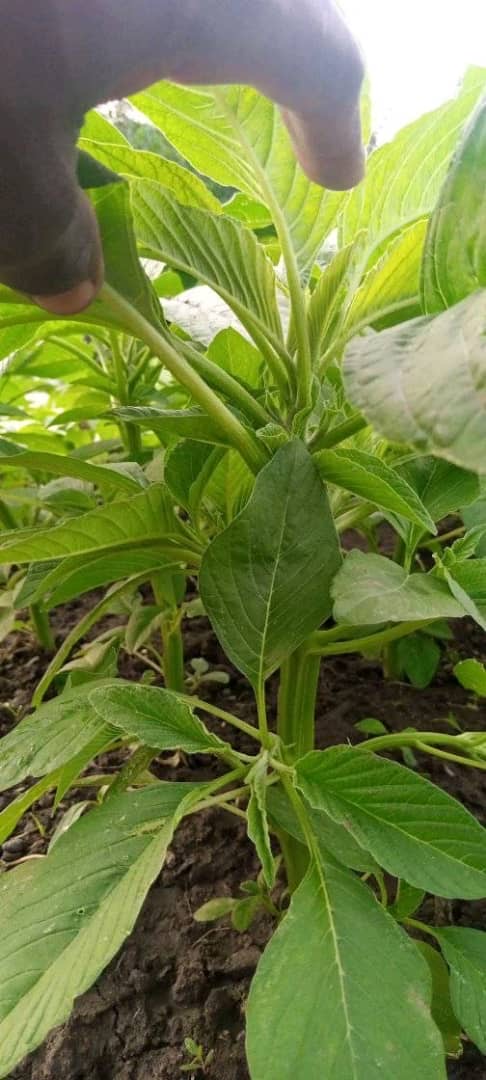
Amaranth Growing Conditions
Amaranth appreciates heat and very sunny exposures. It grows ideally in the sun, in a location protected from the wind, and prefers always cool soil. The soil should be rich in organic matter and well drained, without ever drying out completely between waterings. This plant thrives particularly near a pond or in humid areas of…
-
CULTIVATION OF AMARANTH
Traditionally cultivated in the Democratic Republic of Congo (DRC) for its nutritional values, amaranth is prized both for its foliage and for its seeds, which are consumed like cereals in certain countries. There are seventeen species of amaranth grown mainly for their leaves and three for their seeds. This plant can be grown on any…
-
-
-
A Healthy Diet
A healthy diet consists of several essential elements that contribute to our overall well-being. Here are some of the main components: 1. Fruits and vegetables: They are rich in vitamins, minerals and fiber. Try to eat a variety of colors to benefit from a wide range of nutrients. 2. Proteins: Proteins are crucial for building…
-
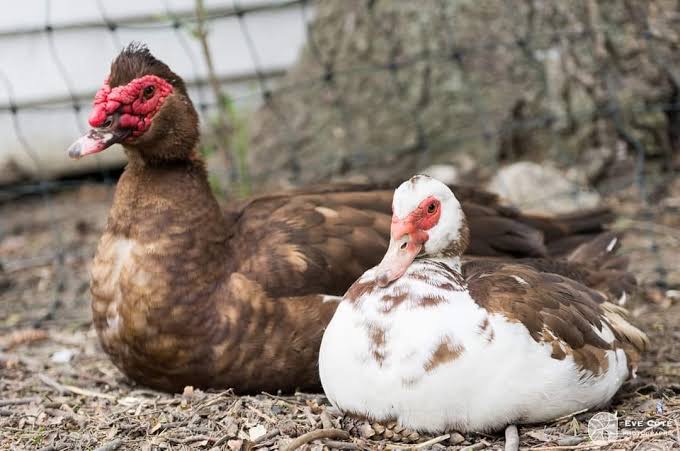
Domestic Ducks
Domestic ducks can be fragile for several reasons. Here are some important points to consider: Space and Environment: Ducks need plenty of space to move around and forage. It is recommended to have at least 50 m² of grassy run per duck. Insufficient space can lead to stress and health problems. Diet: A balanced diet…